


How to Plan a Successful Company Offsite (Without the Drama)


Why Most Company Offsites Are Actually Wastes of Money
Here's a stat that should worry you: 64% of employees dread company offsites [1].
Not "mildly dislike." Dread.
And honestly? I get it. I've attended offsites that felt like punishment disguised as team building. You know the type: forced fun, awkward ice-breakers, and that one person who takes paintball way too seriously.
But here's the thing: offsites done right are incredible investments.
Companies that run effective offsites see:
34% improvement in cross-team collaboration [2]
28% boost in employee engagement scores [3]
£4.20 return for every £1 spent on properly planned offsites [4]
The difference between a waste of money and a game-changing experience? Intentional company offsite planning.
The #1 Company Offsite Planning Mistake (And How to Avoid It)
Want to know what kills most company offsites before they even start?
Treating them like extended work meetings.
I see this constantly. Companies book a countryside venue, pack the agenda with presentations and "strategic sessions," throw in one team activity, and call it an offsite. Then they wonder why everyone's on their phones and desperate to leave.
Here's what actually works: The 70-20-10 Rule for company offsite planning:
70% connection and experience (team building, shared activities, genuine bonding time)
20% strategic work (the actual business discussions that need deep focus)
10% logistics (meals, travel, admin stuff)
When you flip this ratio, making connection the star and work the supporting act, everything changes. People actually want to attend. They engage. They remember the experience months later.

Step 1: Set Crystal-Clear Objectives (Or Don't Bother)
Before you even think about venues or budgets, answer this question:
"What specific outcome would make this offsite worth the investment?"
Not vague goals like "team building" or "strategic alignment." I mean specific, measurable outcomes.
Good Company Offsite Planning Objectives:
✅ "Launch our new product with 100% team understanding of go-to-market strategy"
✅ "Resolve the tension between sales and product teams that's slowing us down"
✅ "Generate 20+ actionable ideas for improving customer retention"
✅ "Celebrate our record quarter while reinforcing company values"
Bad (Vague) Objectives:
❌ "Improve morale"
❌ "Have fun together"
❌ "Team bonding"
See the difference?
Here's my trick: If you can't measure whether you achieved it, it's not a real objective.
I learned this the hard way with a tech startup. They wanted a "culture-building" offsite. Sounds nice, right? But what does that even mean? After drilling down, their real objective was: "Reduce silo mentality so teams proactively share information across departments."
Now THAT we could design an offsite around. And measure.
Six months later, cross-department Slack messages had increased by 43%, and project collaboration scores jumped by 29%. That's what clear objectives get you.
Step 2: Budget Reality Check (The Numbers Nobody Talks About)
Let's talk money. Because company offsite planning always comes down to budget.
UK company offsite costs typically run £150-400 per person per day, depending on what you include [5].
For a 50-person team on a 2-day offsite, you're looking at £15,000 to £40,000.
Gulp.
But here's what's included in that range:
Budget Breakdown (Per Person, Per Day):
Basic Budget (£150-200):
Day venue hire
Standard catering (breakfast, lunch, coffee)
One team activity
Basic AV equipment
No accommodation
Mid-Range Budget (£200-300):
Venue with accommodation
All meals plus evening drinks
Multiple activities
Professional facilitators
Transport coordination
Premium Budget (£300-400+):
Boutique venue or unusual location
Gourmet catering
Bespoke activities
Expert speakers or coaches
Full event production
Where Smart Company Offsite Planning Saves Money:
Don't cheap out on:
Venue quality (bad venues kill morale faster than anything)
Food (hangry people don't bond)
Professional facilitation (worth every penny)
Where you CAN save:
Fancy swag (people prefer experiences over branded notepads)
Elaborate decorations (keep it simple)
Expensive speakers (internal leaders often resonate more)
My money-saving hack? Book during shoulder season (April-May or September-October).
Same venues, 20-30% cheaper. London venues especially have much better availability and pricing outside peak summer months.
Step 3: Choose the Right Venue (Location, Location, Location)
Your venue choice will make or break your company offsite. Period.

The Venue Personality Test:
Ask yourself: What does this offsite need to feel like?
High-energy and creative? Urban warehouse spaces (Shoreditch, Hackney)
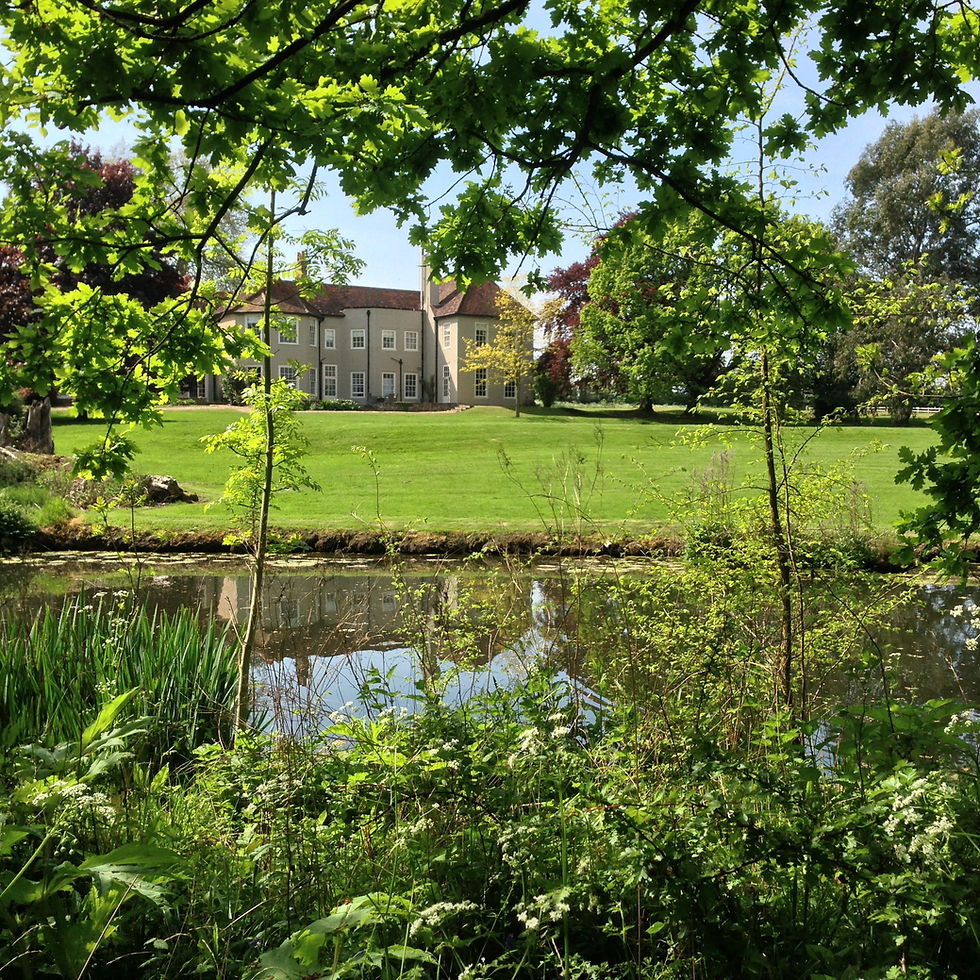
Focused and strategic? Quiet countryside estates (Cotswolds, Surrey Hills)
Collaborative and innovative? Modern conference centres (King's Cross, Canary Wharf)
Relaxed and bonding? Coastal or manor house venues

Essential Venue Requirements for Company Offsite Planning:
Must-Haves:
✅ Meeting spaces for different group sizes
✅ Breakout areas (people need escape routes from intensity)
✅ Reliable WiFi (even if you're "unplugging")
✅ On-site catering or nearby options
✅ Accommodation if overnight (ideally on-site)
✅ Accessible via public transport
Deal-Breakers:
❌ Terrible acoustics (nobody wants to shout all day)
❌ No natural light (soul-destroying for full-day events)
❌ Complicated parking (starts the day with stress)
❌ No backup power (yes, this happened to me once)
London vs. Out of London?
London venues work brilliantly for:
Day offsites (easy commute for most)
Quick overnight trips (Thursday-Friday)
Teams already based in the capital
Access to unique experiences (museums, tours, etc.)
Out-of-London venues are better for:
Multi-day retreats (real disconnection)
Teams spread across the UK (meeting in the middle)
Nature-based activities
Budget consciousness (more space for less money)
Pro tip: If you're planning company offsite activities in London or Hertfordshire and feeling overwhelmed, venue finding services can save you 20+ hours of research and negotiation. Plus they often get better rates through established relationships.
Step 4: Design Activities That Don't Make People Roll Their Eyes
Right. Let's address the elephant in the room: team building activities.
Most of them are terrible. I've witnessed grown professionals forced into trust falls, Human Knot games, and "share your spirit animal" exercises that made everyone want to call in sick.
But here's the secret: The best company offsite planning includes activities that don't feel like "team building."
Activities That Actually Work:
1. Problem-Solving Challenges
Give teams a real business problem to solve in 2-3 hours. Not theoretical; pull from your actual challenges.
Example: A London fintech I worked with had teams redesign their customer onboarding process. The winning idea saved the company £180,000 annually and got implemented within a month.
2. Skill-Share Sessions
Everyone teaches something they're good at (work-related or not). 30-minute sessions throughout the afternoon.
Why it works: People love sharing expertise, and you discover hidden talents. Plus, zero cringe factor.
3. Outdoor Adventures (Done Right)
NOT ropes courses where Gary from accounting is terrified of heights.
DO: Group cycling through Richmond Park, Thames kayaking, geocaching across London, outdoor cooking competitions.
4. Creative Workshops
Cooking classes, pottery, comedy improv, cocktail making; anything where you create together.
I ran a graffiti art workshop for a legal firm's company offsite. Partners in suits spray-painting alongside junior associates? Pure gold for breaking down hierarchy.
5. Community Service Projects
Volunteering together creates powerful bonding. Food bank shifts, community garden projects, charity builds.
Bonus: 89% of employees say CSR activities improve their perception of their employer [6].
Activities to Avoid:
❌ Anything with "icebreaker" in the name
❌ Trust falls (please, just stop)
❌ Forced sharing of personal information
❌ Competitive games that get too intense
❌ Activities that exclude people (physical limitations, etc.)
Step 5: Create a Schedule That Doesn't Exhaust Everyone
Here's a company offsite planning mistake I see constantly: packing every minute with activities.
People need downtime! Build in breathing room or you'll have a group of zombies by day two.
The Perfect 2-Day Company Offsite Schedule:
Day 1:
9:00am Arrival, coffee, casual mingling (don't rush this)
10:00am Opening session (objectives, agenda, expectations)
11:00am First workshop or strategic session
12:30pm Lunch (make it long; 90 minutes)
2:00pm Main team activity
4:30pm Free time (yes, schedule nothing!)
6:30pm Pre-dinner drinks
7:30pm Dinner (no presentations, just connection)
9:30pm Evening wind-down (bar, games, whatever)
Day 2:
9:00am Breakfast (informal)
10:00am Reflections and insights from Day 1
11:30am Action planning session
1:00pm Lunch
2:00pm Closing session (commitments, next steps)
3:00pm Departure
Key principles:
Start later than usual work hours (people appreciate it)
End by mid-afternoon on the last day (travel time)
Build in 30-minute buffers between sessions
No "working dinner" presentations
Step 6: Food Matters More Than You Think
Never, ever cheap out on catering. Food is where offsites live or die.
I've seen brilliant company offsite planning undermined by sad sandwiches and lukewarm coffee. Meanwhile, memorable food creates shared positive experiences that bond teams.
Catering Essentials:
What People Actually Want:
Decent coffee available all day (not just at breaks)
Substantial breakfast (not just pastries)
Lunch that doesn't make everyone sleepy
Healthy snacks constantly available
Dietary requirements taken seriously (not as an afterthought)
The Magic of Shared Meals:
Sit-down dinners create better connection than buffets. Choose family-style service where people pass dishes around. It's intimate without being formal.
My favourite trick? Local speciality dining. If you're at a countryside venue, do a proper Sunday roast. Coastal location? Fresh seafood feast. London? Book a private room at a diverse cultural restaurant.
Food becomes a talking point and shared memory.
Step 7: Facilitation Makes or Breaks Everything
Here's an uncomfortable truth about company offsite planning: Your CEO probably shouldn't facilitate the whole thing.
I know, I know. Leadership wants to be involved. But there's a massive difference between participating and facilitating.
Why external facilitators are worth it:
They're neutral (no office politics)
They manage difficult conversations professionally
They keep things on schedule (without seeming bossy)
They read the room and adjust in real-time
Leadership can actually participate instead of stressing
A professional facilitator costs £1,000-3,000 for a 2-day offsite [7]. For a £25,000 event, that's 4-12% of budget for someone who might double the effectiveness.
Do the maths.
DIY Facilitation Tips (If You Must):
Assign rotating facilitators (not just leadership)
Use a parking lot for off-topic ideas
Time-box everything (use visible timers)
Create psychological safety (establish ground rules together)
Capture everything (dedicated note-taker, not the facilitator)
Step 8: Measure Success (Beyond the Post-Event Survey)
Most companies send a survey asking "Did you enjoy the offsite?" and call it measurement.
That's not measurement. That's theatre.
Real company offsite planning includes meaningful evaluation:
Immediate Metrics (Within 1 Week):
Attendance rate (who actually showed up?)
Engagement scores (active participation levels)
Objective completion (did we achieve what we set out to?)
Satisfaction ratings (but with specific questions)
Medium-Term Metrics (30-90 Days):
Behavioural changes (are people collaborating differently?)
Action item completion (were commitments kept?)
Cross-team communication (increased Slack/email between departments?)
Project velocity (are things moving faster?)
Long-Term Metrics (6-12 Months):
Retention rates (did attendees stay with the company?)
Engagement scores (quarterly pulse surveys)
Performance improvements (team productivity metrics)
Cultural indicators (values alignment, satisfaction)
The question isn't "Did people have fun?"
The question is: "Did this offsite change how we work together?"
If the answer is no, you've planned a nice party, not a strategic offsite.
Common Company Offsite Planning Pitfalls (And How to Dodge Them)
Let me save you from the disasters I've witnessed:
Pitfall #1: All Work, No Play
The mistake: Packing the agenda with back-to-back strategy sessions.
The fix: Follow the 70-20-10 rule. Connection first, work second.
Pitfall #2: Forgetting About Introverts
The mistake: Constant group activities with no solo time.
The fix: Build in "optional" time. Some people recharge alone.
Pitfall #3: Unclear Expectations
The mistake: People arrive not knowing what to expect.
The fix: Send a detailed agenda 2 weeks before. No surprises.
Pitfall #4: Forced Vulnerability
The mistake: "Everyone share your biggest fear" exercises.
The fix: Let authenticity happen naturally. Don't force it.
Pitfall #5: No Follow-Up
The mistake: Offsite ends, everyone forgets about it.
The fix: Schedule a 30-day check-in before the offsite ends.
Pitfall #6: Ignoring Remote Workers
The mistake: Planning offsites that exclude hybrid/remote team members.
The fix: Make attending accessible (travel support) or create parallel virtual experiences.
The Company Offsite Planning Checklist
12 Weeks Before:
✅ Define objectives and outcomes
✅ Set budget and get approval
✅ Identify ideal dates
✅ Start venue research
8 Weeks Before:
✅ Book venue
✅ Arrange accommodation
✅ Hire facilitator (if using one)
✅ Plan activity outline
6 Weeks Before:
✅ Finalise agenda
✅ Book activities and suppliers
✅ Arrange transport if needed
✅ Send save-the-date to team
4 Weeks Before:
✅ Confirm catering menus
✅ Collect dietary requirements
✅ Prepare materials/presentations
✅ Brief facilitators/speakers
2 Weeks Before:
✅ Send detailed agenda to attendees
✅ Confirm all vendor bookings
✅ Prepare name badges/materials
✅ Create emergency contact list
1 Week Before:
✅ Final headcount to caterers
✅ Print any physical materials
✅ Confirm transport arrangements
✅ Pack emergency kit (first aid, chargers, etc.)
Day Before:
✅ Venue walkthrough
✅ Test all AV equipment
✅ Set up signage
✅ Brief staff on schedule
When to DIY vs. Hire Help
You can probably DIY company offsite planning if:
Your team is under 30 people
You have 3+ months to plan
You've done this successfully before
Budget is tight (under £10k total)
You have internal coordination skills
Consider hiring professional help when:
Your team is 50+ people
You need it planned in under 6 weeks
Multiple locations/complex logistics
High-stakes event (board involvement, etc.)
You want to actually enjoy the offsite yourself
What professional event planners handle:
Venue sourcing and negotiation (often get better rates)
Activity coordination and backup plans
Catering management
On-site logistics coordination
Crisis management (because something always goes slightly wrong)
For company offsite planning in London and Hertfordshire, RUMA Events specialises in corporate offsites that blend strategic work with genuine team connection, taking the stress off your shoulders so you can focus on being present.
Real Talk: What Makes Offsites Actually Successful
After planning hundreds of company offsites, here's what I've learned:
The best offsites aren't about the venue or the budget or the fancy activities.
They're about creating space for human connection in a work context.
That happens when:
Leadership is vulnerable (not just "on brand")
Hierarchy fades (at least temporarily)
People feel psychologically safe
There's actual fun (not mandatory fun)
Work challenges are tackled collaboratively
Everyone leaves feeling energised (not drained)
Your offsite succeeds when teams return to work and things are different. Conversations happen that didn't before. Collaboration feels easier. People actually remember the insights and commitments made.
That's not about following a perfect company offsite planning formula; it's about genuine intentionality in designing an experience that serves your people and your business.
Your Next Steps
Here's what to do right now:
Step 1: Define your specific, measurable objective (use the examples earlier)
Step 2: Determine your realistic budget (£150-400 per person per day as a baseline)
Step 3: Choose your dates (check team calendars for conflicts)
Step 4: Start venue research or connect with a venue specialist who knows London and Hertfordshire options
Step 5: Block time in your calendar for planning (this takes more time than you think)
Most importantly: Don't overthink it. Done is better than perfect.
The best company offsite is the one that actually happens, not the theoretical perfect one you never quite plan.
Company Offsite Planning That Actually Works
Look, I get it. Company offsite planning feels overwhelming. The logistics, the budget conversations, the pressure to make it "worth it," the worry about whether people will actually engage or just scroll Instagram.
But here's what I've learned after years of this work: The offsites that succeed are the ones where someone cared enough to do it thoughtfully.
Not perfectly. Not with unlimited budget. Not at a five-star resort with celebrity speakers.
Thoughtfully.
That means clear objectives tied to real business needs. Budget allocated to what actually matters. A venue that serves your purpose. Activities that respect your team's intelligence and preferences. Food that doesn't suck. And follow-through that ensures the offsite creates lasting impact.
Do that, and your company offsite won't be another corporate obligation people dread.
It'll be the event they talk about months later. The experience that actually shifted how your team works together. The investment that returns value far beyond the initial cost.
Ready to plan a company offsite that people actually want to attend? Whether you're handling it yourself or need expert support with venue finding, activity coordination, or full event management, the key is starting with strategy, not logistics.
What's your biggest company offsite planning challenge? Drop it in the comments; I answer every question.
Get your free offsite event consultation today and discover why successful London EAs and PAs trust RUMA Events to help shape their perfect event every time.

References:
[1] UK Employee Engagement Study. (2024). "Attitudes Toward Corporate Retreats." London: Workplace Institute.
[2] Corporate Offsite Impact Research. (2024). "Collaboration Metrics Post-Retreat." Manchester: Business Performance Group.
[3] Employee Satisfaction Survey. (2024). "Engagement Score Changes Following Offsites." Edinburgh: HR Analytics UK.
[4] Corporate Event ROI Study. (2024). "Financial Returns on Strategic Offsites." London: Business Events Council.
[5] UK Corporate Retreat Pricing Analysis. (2024). "Per-Person Cost Benchmarks." Birmingham: Event Industry Research.
[6] CSR and Employee Engagement Report. (2024). "Volunteer Activity Impact on Satisfaction." Bristol: Corporate Social Responsibility UK.
[7] Professional Facilitator Rates Survey. (2024). "UK Corporate Event Facilitation Pricing." London: Association of Event Facilitators.


Comments