


Corporate Events in Montenegro and Croatia: What I Found

I have just returned from five days exploring corporate events in Montenegro and Croatia, travelling from Tivat through the Bay of Kotor and then across into Dubrovnik and the surrounding Croatian countryside.
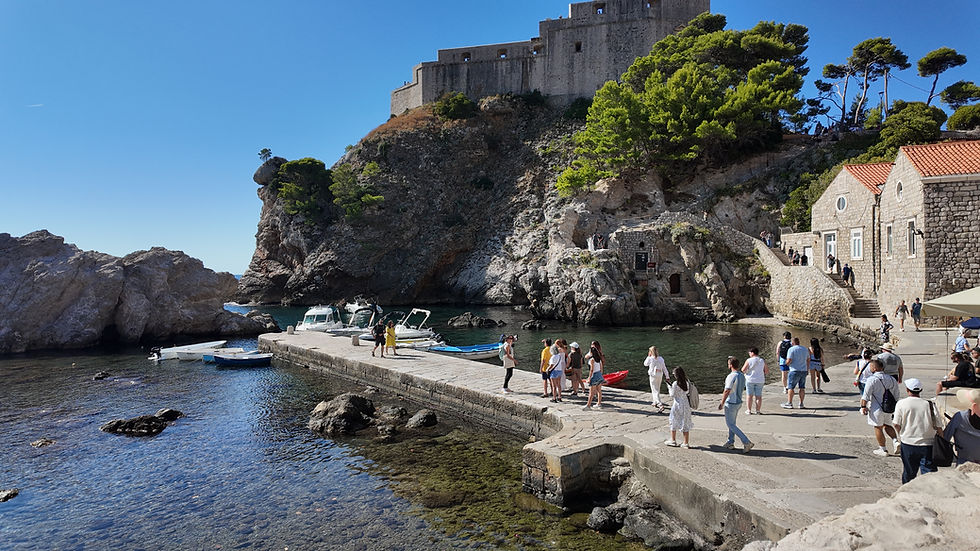
This was a FAM trip, but I approached it in exactly the same way I would approach a live client brief. I wanted to know which hotels genuinely work for conferences, where an incentive group would feel looked after rather than simply accommodated, how easily delegates can move between locations, what happens after the meeting finishes and, importantly, whether these destinations give an event something you cannot recreate closer to home.
They do.
And Montenegro in particular surprised me.
The biggest takeaway was not one spectacular hotel, although there were plenty of those. It was how much variety can sit within one relatively compact programme. Marina resorts, medieval towns, mountains, speedboats, beach events, restaurants, wine, wellness and nightlife can all be incorporated without the itinerary feeling as though it has been stitched together simply to keep delegates entertained.
That matters.
For incentive travel especially, the strongest destinations are often the ones where the landscape and culture do some of the event planning for you.
Why corporate events in Montenegro and Croatia work so well together
It would be easy to compare Montenegro and Croatia and ask which one is better.
Having experienced both on the same trip, I think that misses the opportunity.
They do different jobs.

Montenegro has an emerging, slightly undiscovered quality to it. The luxury hotels are exceptional, but you are never far from mountains, water or an entirely different environment. Dubrovnik then gives you the confidence of a more established international destination, with serious conference infrastructure, iconic architecture and the rural food-and-wine experiences of Konavle just outside the city.
For the right group, I would absolutely consider combining them.
A programme could start with delegates flying into Tivat, spend several days around Luštica Bay, Portonovi and Kotor, move through the mountains, then cross into Croatia for Dubrovnik, a large closing event and a final day in Konavle before departing from Dubrovnik Airport.
Every stage feels different.
That is the point.
Montenegro: probably the biggest surprise of the trip
Before travelling, I knew Montenegro had beautiful scenery and increasingly strong luxury hotels. What I had underestimated was its usefulness from a corporate events perspective.
Tivat Airport makes the coastal resorts surprisingly accessible, with a direct flight from London taking around two hours and 40 minutes. Once there, the combination of short distances, marina resorts and water access means the destination can immediately feel far more exotic than the journey required to reach it.
There is one caveat. Roads around the Bay of Kotor can take longer than the map suggests, so good itinerary design matters.
But there is another solution.
Use the water.
Boats here are not simply an activity. In some programmes they can become part of the transport plan itself.
The Chedi Luštica Bay: understated luxury done very well
The Chedi was one of my personal favourites.

There is no shortage of luxury around this coastline, but The Chedi felt sophisticated without trying too hard to prove it. Compared with Porto Montenegro, it was quieter, more private and more contained, which immediately made me think of leadership retreats, executive incentives and client groups where privacy is more valuable than being in the middle of a busy marina scene.

The hotel has 111 rooms and suites, with a dedicated conference area including a 175 sq m ballroom, smaller meeting space and a sizeable pre-function area. There are also smaller boardroom-style spaces, which gives planners a useful mix for leadership sessions and intimate programmes.
What makes it more interesting, though, is everything around it.

The marina, beaches, Rok Beach Bar, amphitheatre and waterside areas allow the event to move outside the conventional hotel environment. The nearby amphitheatre was discussed for around 170 theatre-style, while the waterfront area close to the lighthouse was discussed for approximately 190 guests.
So your delegates could spend the morning in a meeting, move into the marina for lunch, have drinks beside the water and finish with an outdoor event.
No coach convoy required.
The events team also stood out. There was a genuine willingness to tailor the programme rather than force the brief into an existing package.
Where I would use it: a refined incentive, leadership retreat, executive group, smaller conference or private corporate celebration where privacy matters.

Porto Montenegro: when you want the marina to be seen
Porto Montenegro is almost the opposite.

It is polished, glamorous and visibly expensive. Superyachts, restaurants, shops and marina life are all part of the experience.
It feels busier. More conspicuous.
For some clients, that is exactly the appeal.
The principal ballroom was discussed for approximately 200 guests and includes access to an adjoining terrace, but again the destination becomes much more interesting once you stop thinking only about the hotel itself. Jetties, waterfront spaces, landscaped areas and temporary event concepts allow you to create something much larger than a standard ballroom programme.

I would look at Porto Montenegro for finance, automotive, fashion, lifestyle or high-spend corporate groups where the marina atmosphere is deliberately part of the positioning.
If the brief says secluded, I would probably choose The Chedi.
If it says energy, yachts and visible luxury, Porto Montenegro comes into its own.

One&Only Portonovi: where the property becomes part of the event

One&Only was the most obviously ultra-luxury property of the Montenegro programme.
There is no pretending otherwise.
This is a hotel for briefs where budget allows the accommodation, service, restaurants and private spaces to contribute to the wow factor rather than simply support the event.

The Arena Ballroom seats 120, with smaller boardrooms for eight and ten guests, but the outdoor capacities are where the resort becomes particularly interesting. Adriatic Garden can accommodate up to 600 seated, Boka Garden up to 300 and TAPASAKE, its waterfront Japanese restaurant and pool-club environment, up to 350 seated.

Villa One can also work as an event venue in its own right, making it particularly attractive for prestige dinners, luxury launches or VIP entertaining.
Then there is Chenot Espace.
The wellness proposition here goes well beyond adding a massage to an incentive programme. Diagnostics, recovery and more structured wellbeing mean the resort could genuinely support an executive or wellness retreat rather than using “wellbeing” as decoration.
I would not automatically recommend it for a conventional, cost-conscious conference.
For ultra-high-end incentive travel, VIP groups, luxury brands and prestige automotive, however, it makes enormous sense.

Hyatt Regency Kotor Bay: possibly the most commercially useful
The Hyatt was deceptive.

From the road it felt relatively understated. Once inside, it became clear that this is one of the properties I would be most likely to put forward for a real corporate conference brief.
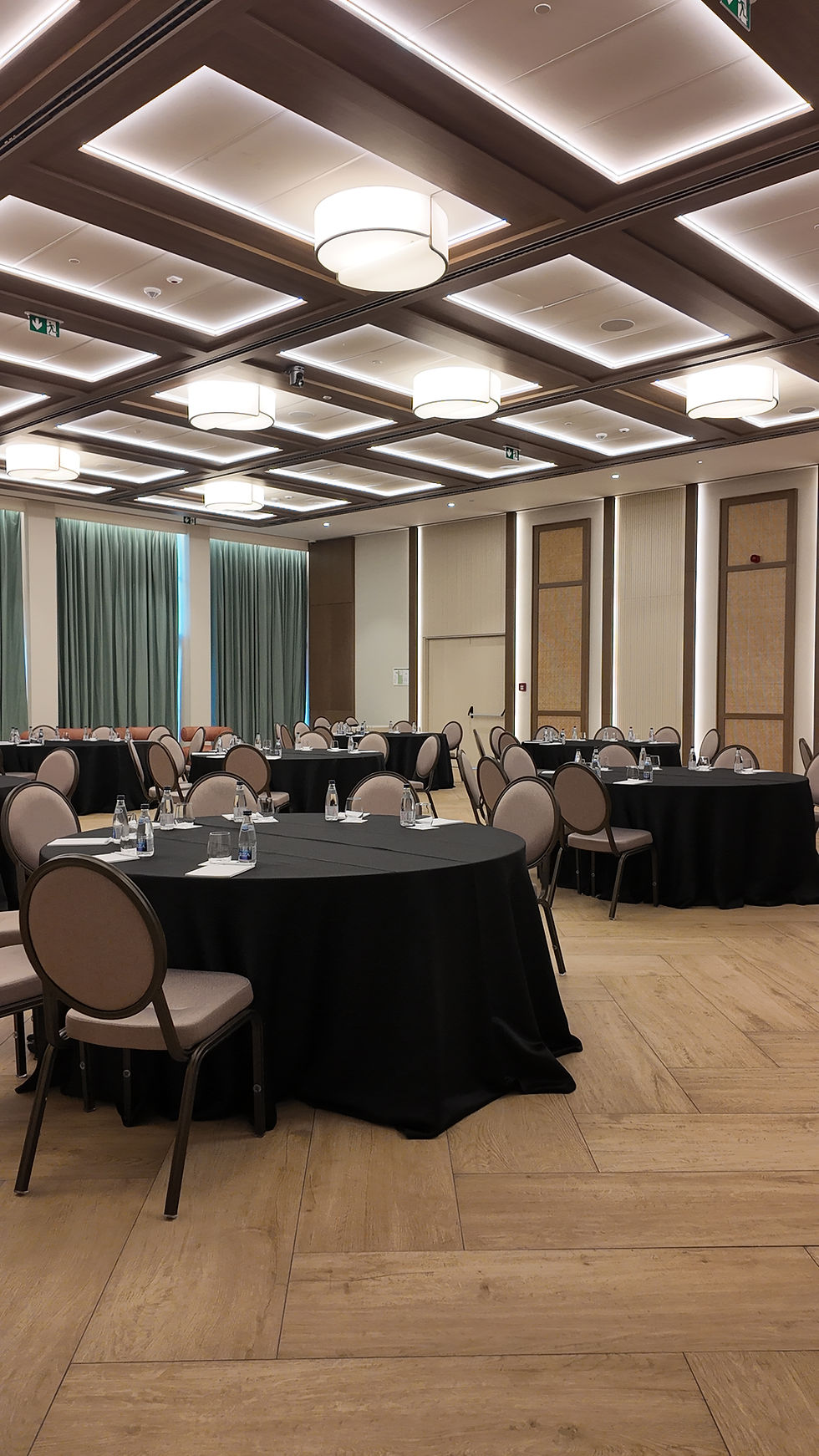
The main ballroom is approximately 515 sq m and can divide into two sections, with published capacities reaching 480 banquet or theatre. There are additional meeting rooms, a wide accommodation mix and the ability to consider substantially larger programmes across the wider property.
The marina is particularly useful.
Instead of organising a boat trip as a standalone incentive activity, planners can potentially use boats to move groups between locations, turning what would otherwise be transfer time into part of the programme.
There is also a meaningful wellness offer, including doctor-led services, cryotherapy, physiotherapy and retreat programming.
If a client came to RUMA wanting a multi-day conference with proper meeting infrastructure but still wanted delegates to feel that they had experienced Montenegro, Hyatt Regency Kotor Bay would be high on my list.
It may not have the immediate theatre of One&Only.
Operationally, though, it makes a lot of sense.

SIRO Porto Montenegro: do not sell it as another luxury hotel

SIRO needs a different conversation entirely.
Its proposition is built around fitness, recovery, nutrition, sleep and mindfulness, with rooms and facilities designed around performance rather than traditional resort indulgence.

That makes it particularly relevant for wellness incentives, active leadership retreats, fitness and sports brands, health-sector clients or companies whose brief genuinely revolves around performance and wellbeing.
The concept is the reason to choose it.
That distinction matters because presenting every five-star property under the same “luxury incentive” heading does neither the hotel nor the client any favours.
The experiences are what make Montenegro memorable
Hotels are only half of this destination.
A speedboat journey through the Bay of Kotor included a visit to one of the former Yugoslav military submarine tunnels built directly into the hillside. Suddenly, what could have been sold as a scenic boat ride had history, storytelling and a genuinely unusual moment attached to it.

Then there is Kotor itself.
The medieval streets, old walls and Venetian influence provide the cultural contrast that the modern marina resorts need. Guided tours, treasure hunts, kayaking, canyoning, e-bikes, food experiences and wine-led activities could all sit within a corporate programme.
And then the mountains change the scenery again.
The Lovćen area can incorporate the cable-car journey, alpine coaster, Falcon Fly, Aerobar and food stops. I would not sell the cable car as the activity in isolation. I would use the whole mountain visit as a half-day programme with rotations, food and drinks so that different delegates can engage at different levels.

This is where Montenegro becomes genuinely compelling.
You are not trying to manufacture variety inside one resort.
It already exists.
Corporate events in Montenegro and Croatia need different planning styles

Crossing into Croatia changes the feel of the trip very quickly.

Dubrovnik has immediate recognition. The old stone walls and historic city give an event visual impact almost before production has started.
But timing matters.
Cruise traffic can dramatically change the experience of the Old Town, and the advice during the trip was to visit after around 4.30pm where possible or build timings around cruise schedules.
That is exactly the sort of destination detail that does not appear on a hotel capacity chart but can make or break an incentive itinerary.
I would use Dubrovnik selectively rather than make every day about the Old Town.
It has more to offer than that.
Villa Dubrovnik: for C-suite and small VIP groups
Villa Dubrovnik is intimate.

It is not where I would start for a large conventional conference, and it should not be assessed using the same criteria as Hotel Croatia or Sun Gardens.
Its value lies in privacy, design, service and location.

The conference room holds up to 80 guests and can divide into two spaces, while rooftop and terrace areas give smaller corporate and private groups more interesting options for drinks and entertaining. Buyout was also discussed during the trip.
For C-suite programmes, board retreats, VIP accommodation or a small luxury incentive, it makes much more sense.
Different brief. Different answer.

Dubrovnik's stand-alone event spaces deserve attention
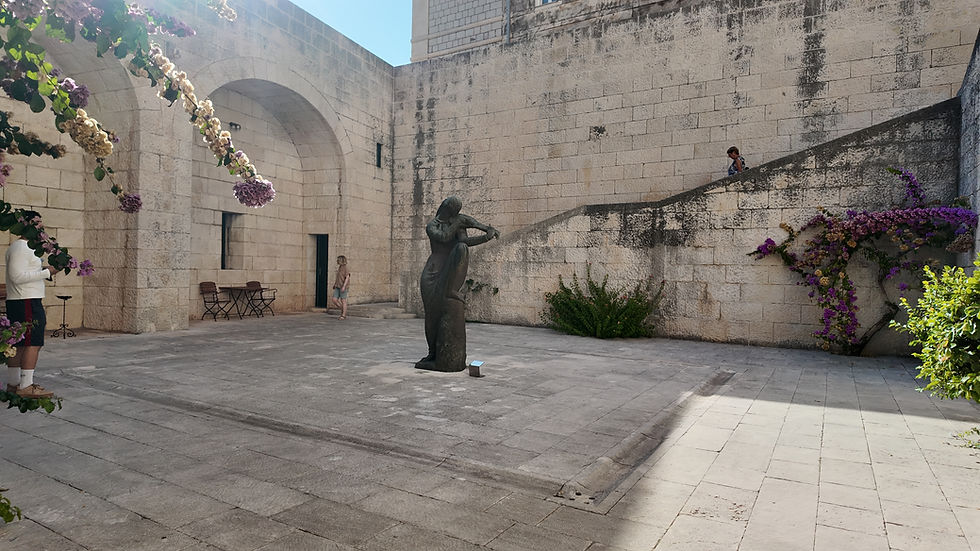
One of the strongest non-hotel venues we visited was an art-gallery/museum setting with a terracotta terrace overlooking Dubrovnik.

The larger terrace configuration was discussed for approximately 120 guests, with around 80 noted for an alternative or more formal layout. The location immediately feels connected to
Dubrovnik in a way that a generic function terrace never could.
For a closing dinner or drinks reception, that matters.
You arrive and know where you are.
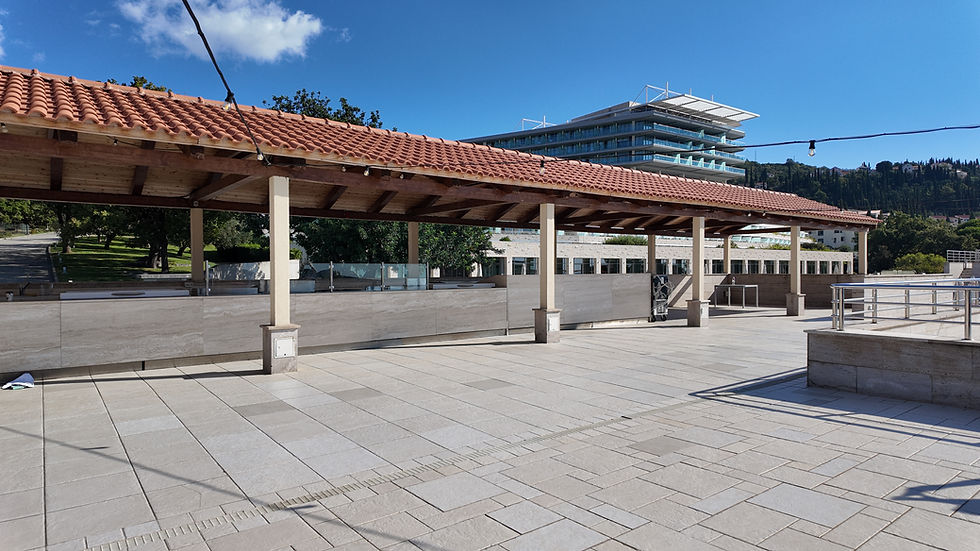
Sun Gardens Dubrovnik: the large MICE option

For a major conference, Sun Gardens was probably the most complete Croatian resort inspected.
The Soderini Grand Ballroom is approximately 753 sq m and accommodates up to 900 theatre, 1,000 reception and 540 banquet, with a 546 sq m pre-function area and the ability to divide the ballroom into three sections.
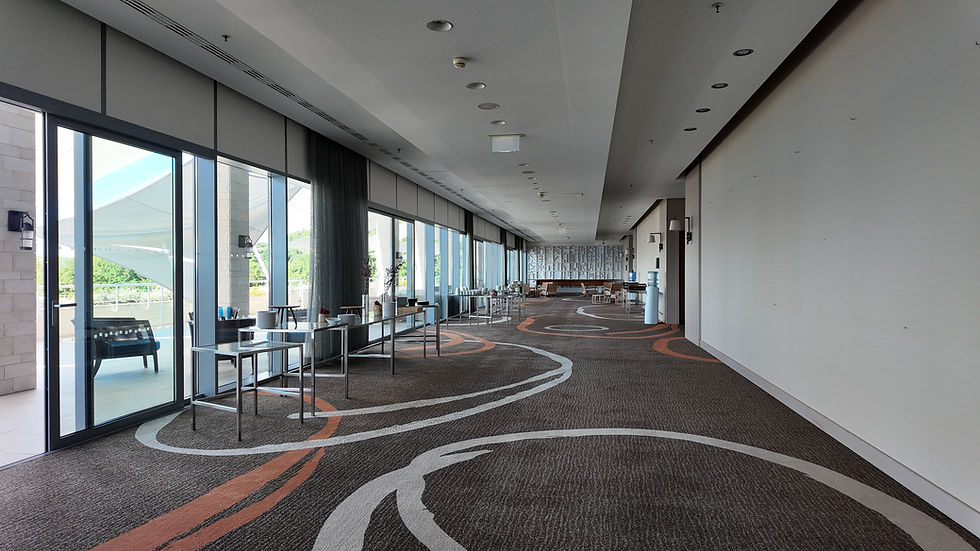
That is proper conference infrastructure.
There are additional breakout spaces, exhibition possibilities, outdoor event areas, substantial accommodation and later-night options including Ginja, which was discussed for around 400 guests.

For a large residential conference where the client wants plenary, exhibition, dinners, outdoor activity, wellness and evening entertainment without constantly moving everyone off-site, Sun Gardens is extremely strong.
Hotel Croatia Cavtat: scale, airport access and useful logistics
Hotel Croatia gives you almost 500 bedrooms and suites together with serious conference infrastructure.
The Ragusa Conference Hall is 630 sq m with capacities of up to 850 theatre, 400 classroom and 450 banquet, plus stage, translation booths, projection equipment and more than 500 sq m of supporting exhibition space.
Operationally, that is very useful.
Cavtat is also close to Dubrovnik Airport, and one of my favourite programme ideas was using the boat connection between Cavtat and Dubrovnik rather than automatically putting delegates onto coaches. The journey is around 40 to 45 minutes, but in an incentive itinerary that becomes experience time rather than dead transfer time.
Again, use the destination.
Konavle: the Croatia experience I would add to the itinerary
After days of five-star hotels, marinas and conference centres, going into the Konavle countryside was exactly the right contrast.
At Ljuta, the programme included extra-virgin olive-oil tasting connected with the historic watermills of the area. It felt rural, local and genuinely tied to the destination.
Then there was Brajković.
The family estate sits among vineyards, olive groves and cypress trees, with a historic home more than 300 years old. The family is now in its fourth generation of wine and olive production, with visitors able to explore the old cellar, vineyards and newer production areas.
I would combine the two.
Ljuta plus Brajković gives you the bones of a proper Konavle gastronomy day incorporating olive oil, local wine, produce and countryside, and it feels markedly different from another polished restaurant experience back in Dubrovnik.
Guests remember contrast.
So, what would I actually recommend?
For a refined private incentive, I would start with The Chedi Luštica Bay.
For ultra-luxury, VIP or prestige automotive, One&Only Portonovi.
For a larger Montenegro conference or hotel buyout, Hyatt Regency Kotor Bay.
For wellness or performance-led groups, SIRO Porto Montenegro.
For the strongest sense of Montenegro as a destination, I would make sure Kotor, the water and the mountains are built into the programme rather than leaving delegates inside their resort.
In Croatia, Sun Gardens Dubrovnik is probably the strongest all-round large MICE proposition, while Hotel Croatia Cavtat gives you serious conference scale and very useful airport access.
For small VIP and C-suite groups, Villa Dubrovnik.
And for something delegates will actually talk about afterwards, build a day around Ljuta and Brajković rather than adding another hotel lunch.
The practical points I would keep in mind
Montenegro and Croatia are both straightforward enough to reach from the UK to work for corporate programmes, but a strong itinerary still needs proper local planning.
Road times around the Bay of Kotor need to be treated realistically. Outdoor music restrictions need checking before promising a late-night event. Cruise schedules matter enormously in Dubrovnik. Larger activity programmes need suppliers with enough quality equipment and guides to handle the group properly.
And where boats can replace coaches, explore it.
Not because every transfer needs to become theatre, but because the best event programmes remove the dead spaces between the memorable ones.
Final thoughts on corporate events in Montenegro and Croatia
What stayed with me after the trip was not one bedroom, ballroom or particularly beautiful terrace.
It was the progression.
A delegate could arrive in Tivat, spend the first evening beside a marina, hold a conference overlooking the Bay of Kotor, travel by speedboat into a former military tunnel, walk through medieval streets, head into the mountains, cross into Dubrovnik, dine overlooking its historic walls and finish the programme drinking wine with a family that has been producing it for generations.
That is a very different proposition from simply choosing a five-star hotel overseas.
For the right brief, corporate events in Montenegro and Croatia can use two neighbouring destinations to create one programme with far more depth, variety and sense of place than either a conventional resort stay or city break alone.
And that, more than anything else, is why I would now have both destinations on the RUMA shortlist.
Considering Montenegro, Croatia or somewhere completely different for your next overseas event?
Tell us what you are planning. RUMA Events can source suitable venues, compare the practical options and help shape the wider destination programme around your group, budget and objectives.
Comments